In the realm of home construction and renovation, few decisions carry as much visual and functional weight as the selection of interior and exterior doors. They define transitions between spaces, contribute significantly to a home’s aesthetic, and play a crucial role in energy efficiency, privacy, and security. For Canadian homeowners, builders, and contractors navigating this decision, one option consistently rises above the rest for its performance, efficiency, and professional-grade finish: the prehung doors. This comprehensive guide explores why prehung doors have become the standard in the Canadian market, detailing their advantages, key considerations for our unique climate, and how they streamline projects from coast to coast.
What Exactly is a Prehung Door?
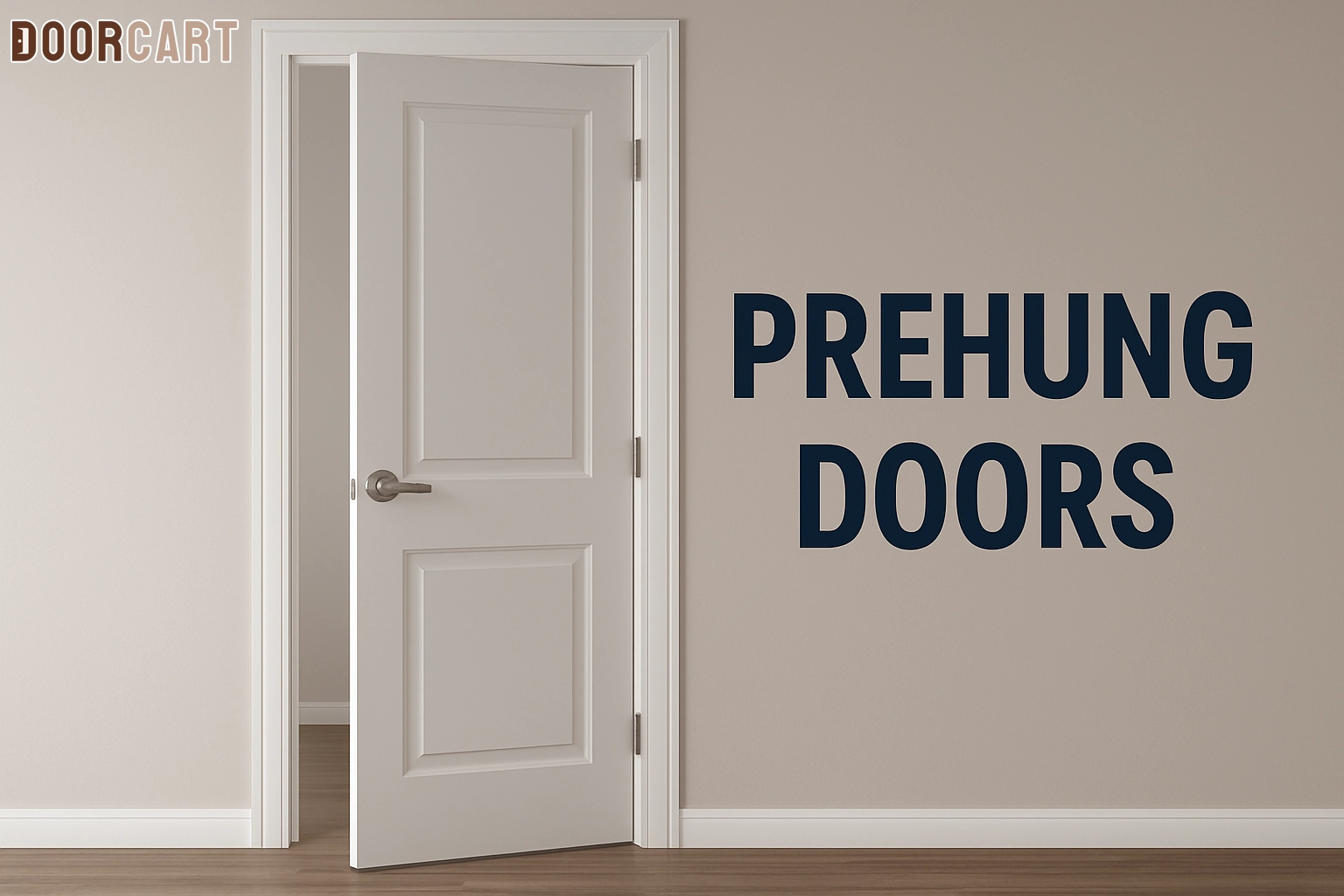
Unlike a traditional “slab” door—which is just the door leaf itself—a prehung door is a complete, factory-assembled unit. It arrives at your job site or home with the door leaf already hinged to a precisely prepared door frame (jamb). The frame includes the hinges, and often comes pre-mortised for the strike plate. For exterior doors in Canada, the unit almost always includes an integrated sill or threshold, and is frequently paired with a pre-drilled bore hole for the lockset. In essence, it’s a door system, engineered for seamless integration.
This factory assembly is the source of its primary benefits. The hinges are perfectly aligned, the gaps between the door and jamb are consistently even (typically 1/8 inch), and the entire unit is square and true. This level of precision, difficult to achieve consistently with on-site framing and slab door hanging, translates directly to superior performance and longevity.
Why Prehung Doors Dominate the Canadian Market
The advantages of prehung doors are amplified by the specific demands of the Canadian built environment: our harsh climate, focus on energy efficiency, and the value placed on professional craftsmanship.
1. Unbeatable Energy Efficiency & Weather Sealing
Canada’s winters make thermal performance non-negotiable. Prehung exterior doors are engineered with this in mind. They feature:
-
Integrated Thermal Breaks: In metal or composite doors, a thermal barrier within the frame prevents cold bridging.
-
Pre-installed Weather stripping: High-quality compression seals or magnetic strips are factory-applied around the entire perimeter of the jamb, ensuring a continuous, airtight seal that is nearly impossible to replicate as effectively on-site.
-
Engineered Sills/Thresholds: Designed to shed water away from the interior, with durable sweeps to block drafts. This is critical in regions with heavy rain, snow melt, and wind-driven precipitation like British Columbia’s coast, the Prairies, and Atlantic Canada.
A properly installed prehung door is a key component in achieving a tight building envelope, reducing heat loss, minimizing cold drafts, and lowering heating bills—a top concern for every Canadian homeowner.
2. Superior Performance and Durability
The precise factory hinge alignment ensures the door swings smoothly without sagging, binding, or sticking—a common issue with slab doors as a house settles or humidity fluctuates. The even gap allows for consistent painting or staining and prevents issues like latch misalignment. This durability is tested to withstand the expansion and contraction caused by Canada’s extreme seasonal humidity swings, from dry, furnace-heated winters to humid summers.
3. Dramatic Time and Labour Savings
In the construction industry, time is money. Installing a slab door into a rough opening is a skilled, multi-step process: building and squaring the jambs, mortising hinge pockets, chiseling strike plates, and aligning everything perfectly. A prehung door simplifies installation to a few core steps: setting the unit in the rough opening, plumbing and leveling it, and securing it with shims and fasteners. What might take a skilled carpenter 2-3 hours for a slab door can often be accomplished in under an hour with a prehung unit. This efficiency is a major driver for builders and renovators facing tight schedules, especially in our shorter construction season in many parts of the country.
4. Consistent, Professional-Quality Results
For the DIY-inclined Canadian homeowner tackling a renovation, prehung doors offer a pathway to a professional-looking result. The complex joinery and precision are handled at the factory. The risk of a poorly hung door—one that sticks, doesn’t latch, or looks uneven—is greatly reduced. This empowers homeowners to upgrade their homes with confidence, knowing that following clear installation guidelines will yield a high-quality finish.
5. Simplified Compliance with Building Codes
Canadian building codes, including provincial adaptations of the National Building Code (NBC), have specific requirements for fire-rated doors (e.g., between a garage and house), egress in bedrooms, and structural performance. Prehung door systems can be purchased with the appropriate fire ratings (20-minute, 45-minute, etc.) and are certified as complete assemblies. This removes guesswork for builders and ensures inspections pass smoothly, as the certification label is right on the door or jamb.
Key Considerations for Canadian Buyers
When selecting a prehung door for your Canadian home, keep these factors in mind:
-
Material Matters:
-
Fibreglass & Steel: The top choices for exterior doors. Fibreglass offers excellent insulation (R-values up to R-16), resists dents and weathering, and convincingly mimics wood grain. Steel doors are incredibly strong, secure, and affordable, with polyurethane foam cores for insulation. Both are ideal for our climate.
-
Solid Wood: Beautiful and traditional but requires more maintenance. It can be prone to warping with humidity changes unless properly sealed and maintained. Often chosen for interior applications or heritage-style homes.
-
Engineered Wood/Composite: A stable, cost-effective option for interiors, less susceptible to warping than solid wood.
-
-
Rough Opening vs. Unit Size: It is critical to measure your rough opening (the structural opening in the wall) accurately. Prehung doors are sold by unit size (e.g., 30″ x 80″), but you must ensure your rough opening is slightly larger to allow for shimming and adjustment (typically 2″ wider and 2-1/2″ taller than the door unit). Canadian lumber dimensions (2x4s, 2x6s) directly influence standard rough opening sizes.
-
Left-Hand vs. Right-Hand: Determine the “hand” of your door. In Canada, the standard method is to stand outside the room (or outside the house for an exterior door). If the hinges are on the left, it’s a left-hand door; on the right, it’s right-hand. Getting this correct is essential when ordering.
-
Pre-Finishing: Many interior prehung doors come primed and ready for paint. Some higher-end exterior and interior units come with a factory-applied finish that is more durable and uniform than what can be achieved on-site—a valuable feature given our volatile weather.
The Installation Advantage
While DIY-friendly, proper installation of a prehung door is key to unlocking all its benefits. The process revolves around:
-
A Level and Plumb Installation: Using a quality level to ensure the unit is perfectly vertical and horizontal in the opening.
-
Proper Shim Technique: Using pairs of wooden or composite shims at hinge and strike locations to secure the jamb without twisting it.
-
Air Sealing: Applying low-expansion foam or sealant around the perimeter of the frame inside the wall cavity to block air infiltration, a critical step for Canadian energy standards.
-
Weatherproofing (Exterior): Sealing the exterior trim (brick mould or casing) thoroughly with a high-quality, UV-resistant caulk like polyurethane to prevent water ingress.
Conclusion: A Sound Investment for the Canadian Home
In the demanding Canadian market, where efficiency, energy performance, and durability are paramount, the prehung door is not just a convenience—it’s a smart building solution. It represents the intelligent shift from on-site craft to engineered precision, ensuring homeowners receive a product that will perform reliably through blizzards, heat waves, and everything in between.
Whether you are a builder streamlining a new subdivision in Ontario, a renovator updating a century home in Quebec, or a homeowner in Alberta upgrading a back entry, choosing a quality prehung door system is an investment in your property’s comfort, efficiency, and long-term value. It simplifies the complex, elevates the standard, and delivers a door that doesn’t just look right—it works perfectly, year after Canadian year.