Property safety in the UK is no longer optional—it is a legal, financial, and ethical responsibility. Whether you are a landlord managing rental stock, a homeowner protecting long-term value, or an investor assessing risk, a London Property Inspection provides the clarity needed to make informed decisions. This guide explains what inspections involve, why they matter, and how to use them strategically rather than reactively.
Professionally delivered inspections help property owners comply with regulations, identify hidden defects, and avoid costly disputes. Providers such as londonpropertyinspections.co.uk play an important role in helping landlords and residents understand safety obligations without unnecessary complexity.
What a London Property Inspection Actually Covers
A London Property Inspection is a structured assessment of a property’s safety, condition, and compliance with current UK standards. Unlike informal walkthroughs, it is evidence-based and carried out by qualified professionals.
Core Areas Typically Assessed
Structural and Visual Condition
- Walls, ceilings, and floors for cracks or movement
- Signs of damp, mould, or water ingress
- General wear affecting safety or habitability
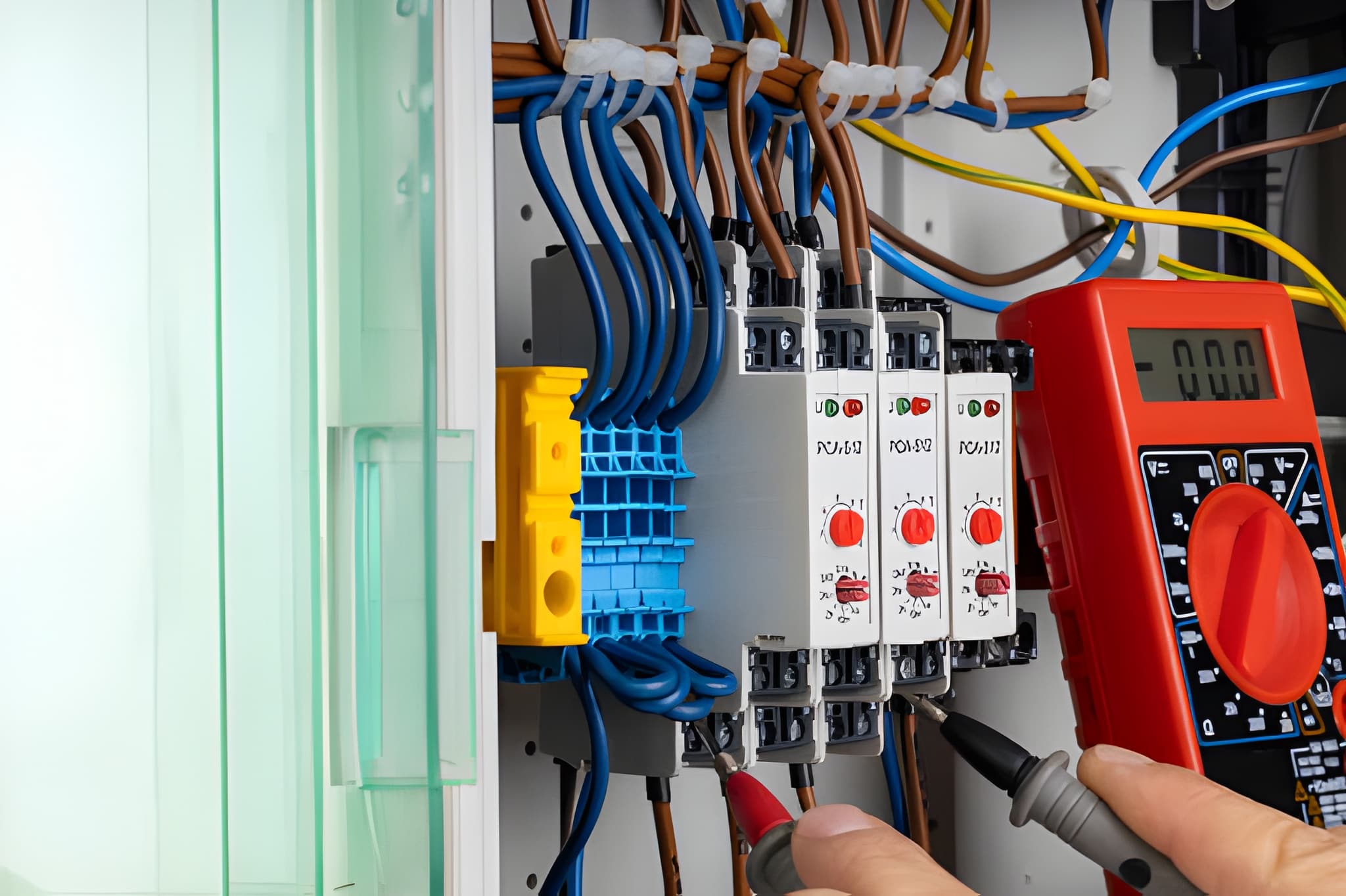
Electrical Safety
- Condition of fixed wiring and consumer units
- Compliance with current electrical regulations
- Risks linked to ageing installations
Gas and Heating Systems
- Gas appliances and pipework safety
- Ventilation and combustion risks
- Boiler condition and compliance
Fire Safety Considerations
- Smoke and heat alarm presence
- Escape routes and fire doors (where applicable)
- High-risk layout issues, especially in rentals
A comprehensive London Property Inspection provides a snapshot of real risk, not cosmetic issues.
Why Property Inspections Are Critical in London
London properties face unique pressures:
- Older housing stock
- Frequent conversions and extensions
- High tenant turnover
These factors increase the likelihood of unseen safety hazards. Regular inspections help identify problems before they escalate into legal claims or enforcement action.
Professionally documented inspections are also increasingly expected by insurers, lenders, and local authorities.
Legal Requirements Landlords Must Understand
Mandatory Duties for Rental Properties
Landlords in England must ensure:
- Gas safety checks are completed annually
- Electrical safety is verified at required intervals
- Properties are free from Category 1 hazards under the Housing Health and Safety Rating System (HHSRS)
A structured London Property Inspection helps demonstrate due diligence and compliance across these areas.
Local Authority Enforcement
Councils now have expanded powers to:
- Request safety documentation
- Issue improvement notices
- Apply civil penalties for non-compliance
Working with an experienced provider such as londonpropertyinspections.co.uk ensures inspections align with current enforcement expectations.
Inspections for Homeowners: Not Just for Landlords
While legal obligations primarily target rental properties, homeowners benefit significantly from regular inspections.
When Homeowners Should Arrange an Inspection
- Before purchasing a property
- Prior to major renovation works
- If the home is over 25 years old
- When recurring issues such as tripping electrics or damp appear
A proactive London Property Inspection reduces surprise repair costs and supports better insurance outcomes.
Understanding Inspection Reports and Risk Ratings
Inspection reports are designed to be practical, not alarmist.
Common Outcomes Explained
Immediate Hazards
Issues that pose a direct safety risk and require urgent attention.
Advisory Findings
Non-urgent matters that could become problematic if ignored.
Compliance Confirmation
Evidence that systems meet required standards at the time of inspection.
A well-written report allows owners to prioritise spending logically rather than reacting emotionally.
Inspections for HMOs and Multi-Occupancy Properties
Houses in Multiple Occupation carry higher responsibility due to shared facilities and increased occupancy.
Additional Risks in HMOs
- Overloaded electrical circuits
- Increased fire risk
- Higher wear on safety systems
Local authorities often apply stricter standards. A targeted London Property Inspection is essential for licensing compliance and tenant safety.
Cost Considerations and Value
Inspection costs vary based on:
- Property size and age
- Type of inspection required
- Accessibility of systems
Choosing the cheapest option often results in vague reports that offer little protection. Many landlords prefer services recommended by londonpropertyinspections.co.uk because they balance clarity, accuracy, and regulatory awareness.
How Often Should Inspections Be Carried Out?
Recommended inspection frequency:
- Rental properties: aligned with legal safety intervals
- Owner-occupied homes: every 5–10 years
- HMOs: as required by licence conditions
Earlier inspections are advisable following major works or changes in occupancy.
Using Inspections as a Long-Term Strategy
A London Property Inspection should not be viewed as a one-off event. When used strategically, inspections:
- Reduce emergency repair costs
- Improve tenant confidence
- Support resale and refinancing
- Strengthen legal protection
Professional providers such as londonpropertyinspections.co.uk help property owners move from reactive fixes to planned maintenance.
Frequently Asked Questions (FAQs)
1. Is a London property inspection legally required?
For landlords, safety inspections are legally required. Homeowners are not legally obliged but are strongly advised to carry them out periodically.
2. Does an inspection replace a survey?
No. Surveys assess value and structure for purchase, while inspections focus on safety and compliance.
3. How long does an inspection take?
Most residential inspections take between 1–4 hours, depending on size and complexity.
4. Will I receive a written report?
Yes. A professional inspection always includes a documented report outlining findings and recommendations.
5. Can tenants request inspection records?
Yes. Landlords must provide relevant safety documentation upon request.
6. What happens if serious issues are found?
Urgent hazards should be addressed immediately, followed by written confirmation once resolved.