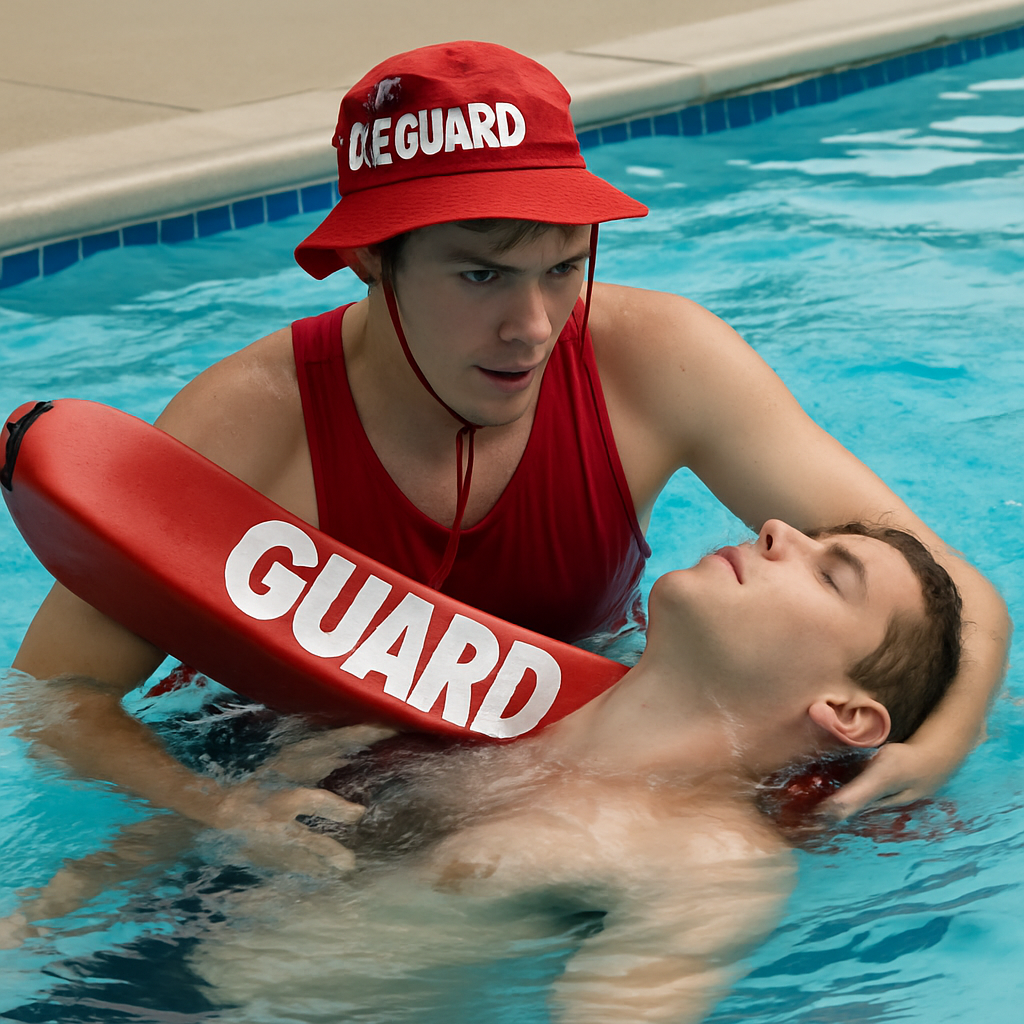
Lifeguard certification is the official credential that proves you are trained to prevent drowning, respond to aquatic emergencies, and provide lifesaving care such as CPR, AED use, and first aid. If you want to work at a pool, beach, waterpark, camp, or aquatic facility, certification is usually required by employers and safety regulations.
Lifeguard certification programs combine classroom learning with hands-on water training. You’ll learn how to supervise swimmers, recognize early signs of distress, perform safe rescues, and respond to medical emergencies. Certification is not only a job requirement—it confirms that you can protect lives confidently under pressure.
This guide covers everything you need to know about lifeguard certification, including eligibility requirements, how to get certified, what you’ll learn in training, costs, and how to renew your certification before it expires.
Summary: Lifeguard Certification at a Glance
Lifeguard certification is earned by completing an approved lifeguard training course and passing written and practical assessments. Training covers prevention strategies, scanning and surveillance, water rescue techniques, spinal injury response, CPR/AED, first aid, and emergency action plans. Most programs require a pre-course swim test and provide a certification that is typically valid for two years. Recertification is needed to renew your credential and remain eligible for employment.
What Is Lifeguard Certification?
Lifeguard certification is a professional credential issued by a recognized training provider after you successfully complete training and meet required performance standards. It confirms that you have the skills and knowledge to supervise aquatic environments and respond to emergencies effectively.
A standard lifeguard certification typically includes training in:
-
Water rescue techniques
-
CPR for adults, children, and infants
-
AED operation and safety
-
First aid and injury response
-
Emergency Action Plans (EAPs)
-
Drowning recognition and prevention
Why Lifeguard Certification Matters
Drowning can happen quickly and silently. Certified lifeguards are trained to recognize danger early and respond within seconds. Certification ensures lifeguards follow proven protocols rather than relying on guesswork.
Benefits of Lifeguard Certification
✅ Lifeguard certification helps you:
-
Meet employer and safety compliance requirements
-
Improve confidence in emergency response
-
Strengthen scanning and prevention skills
-
Learn CPR/AED and first aid standards
-
Increase job opportunities and credibility
Being certified means you are trusted to protect lives professionally.
Lifeguard Certification Requirements and Eligibility
Before enrolling in a lifeguard certification course, you must meet eligibility standards. These ensure you’re physically ready for rescues and can safely complete training.
Common Requirements
Most programs require:
-
Minimum age: Typically 15 years old (varies by provider)
-
Strong swimming ability
-
Passing a pre-course swim test
-
Physical readiness for endurance and rescue drills
-
Attendance and participation in all training sessions
Typical Pre-Course Swim Test Includes
You may be asked to:
-
Swim 300 yards/meters continuously
-
Tread water for 2 minutes
-
Retrieve a 10 lb brick/object from deep water
These requirements confirm you can handle rescue situations safely.
How to Get Lifeguard Certified (Step-by-Step)
Lifeguard certification follows a structured process designed to ensure professional competence.
Step 1: Choose a Recognized Training Provider
Select a training provider that is accepted by employers in your region and matches the environment where you plan to work (pool, beach, waterpark).
Step 2: Pass the Pre-Course Swim Test
You must complete the swim test to demonstrate endurance and deep-water confidence.
Step 3: Complete Lifeguard Training
Training includes classroom lessons and in-water drills covering rescues, victim support, CPR/AED, first aid, and teamwork response.
Step 4: Pass the Written Exam
The written test checks your understanding of:
-
Safety rules and scanning techniques
-
Rescue procedures
-
CPR/AED and first aid steps
-
Emergency action plans
Step 5: Pass the Practical Skills Assessment
The final evaluation confirms you can perform:
-
Water rescues
-
CPR and AED response
-
First aid care
-
Emergency scenarios with teamwork
Once you pass all steps, you receive your certification credential.
What You Learn in Lifeguard Certification Training
Lifeguard training focuses on prevention and response, helping you build strong rescue and emergency care skills.
Core Skills Covered
Most lifeguard certification programs include:
-
Active and passive rescues
-
Water entries and victim approaches
-
Victim carries and safe removals
-
Spinal injury response and backboarding
-
CPR for adults, children, and infants
-
AED operation and safety checks
-
First aid: bleeding, burns, fractures, shock, heat illness
-
Scanning and surveillance techniques
-
Emergency action plans (EAPs) and team coordination drills
Training emphasizes repetition so your response becomes fast and automatic.
How Long Does Lifeguard Certification Take?
Most lifeguard certification programs take 20–30+ hours, depending on provider and course format.
Course length depends on:
-
Pool vs open-water training
-
Weekend vs weekday scheduling
-
Blended learning options
-
Provider-specific requirements
Some courses may be completed in one week, while others are spread across several weekends.
Lifeguard Certification Cost
Costs vary depending on location, training provider, and course type.
Typical Certification Cost Range
Most programs cost between:
-
$150 to $350
Cost usually includes:
-
Instruction and training materials
-
CPR/AED and first aid certification
-
Facility use and rescue equipment
-
Certification processing fees
Some employers reimburse certification fees after hiring, so check your facility policies.
How Long Is Lifeguard Certification Valid?
Most lifeguard certifications are valid for two years, although the validity period can vary depending on the training provider and local regulations.
To remain job-eligible, lifeguards must renew through lifeguard recertification before the certification expires.
Lifeguard Recertification: How to Renew Your Certification
Recertification is a renewal course designed for lifeguards who already hold certification but need to keep it active.
Recertification Typically Includes
-
Rescue skill refreshers and evaluations
-
CPR/AED updates
-
First aid review and protocol changes
-
Scenario drills and teamwork response
-
Written knowledge check
Renew early to avoid expiration, which may require taking the full course again.
Tips to Pass Lifeguard Certification
Preparation helps you succeed in both the written and practical parts of certification.
Best Tips for Success
✅ Practice endurance swimming before the course
✅ Improve treading strength and deep-water comfort
✅ Study CPR/AED and first aid sequences
✅ Focus on scanning and prevention skills
✅ Take instructor feedback seriously
✅ Stay calm during scenario drills and follow procedures
Confidence comes from repetition—practice consistently to perform under pressure.
Frequently Asked Questions About Lifeguard Certification
Can I get lifeguard certified online?
Some providers offer online theory modules, but all rescues and CPR skills must be completed and tested in person.
Do I need to be an expert swimmer?
You don’t need to be a competitive swimmer, but you must meet the swim test requirements and feel comfortable in deep water.
What if I fail the swim test?
Many providers offer retesting. Practice endurance swimming and treading, then try again.
Can I work without certification?
In most cases, no. Lifeguard certification is required for employment at most aquatic facilities.
Conclusion: Lifeguard Certification Proves You’re Ready to Save Lives
Lifeguard certification is more than a credential—it’s proof that you are trained, prepared, and capable of protecting lives. With strong prevention skills, rescue readiness, and emergency medical training, certified lifeguards serve as the first line of safety in aquatic environments.
If you’re serious about becoming a lifeguard, invest in a recognized course, prepare physically, and commit to mastering the skills. Your certification represents safety, trust, and professional responsibility.
Author Bio
Benjamin Owen Leo is a water safety writer and lifeguard training content specialist focused on professional lifeguard education and drowning prevention. He creates people-first guides on lifeguard certification, recertification, CPR/AED readiness, rescue techniques, first aid protocols, and aquatic safety standards. His goal is to help lifeguards and aquatic facilities strengthen safety through clear, accurate, and practical instruction.
Must Visit: Blivaroka