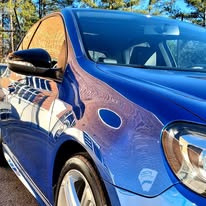
What Swirl Marks Actually Are
Swirl marks aren’t scratches that cut deep into the paint. They’re very fine abrasions in the clear coat, the transparent layer that sits on top of the color. Under sunlight or strong shop lights, they appear as circular patterns because they’re usually caused by circular motions during washing or drying.
Common causes include:
-
Automatic car washes with brushes
-
Dirty wash mitts or sponges
-
Dry wiping dust off paint
-
Using old or contaminated microfiber towels
Understanding that swirls live in the clear coat is important, because it means they can often be corrected safely without repainting.
A Common Mistake That Makes Swirls Worse
One personal observation I see all the time: people try to hide swirl marks with wax or glaze instead of correcting them.
This works temporarily. Fillers mask the damage, and the paint looks great for a few weeks. But once the product washes off, the swirls come right back. In some cases, repeated filling without correction actually makes the paint harder to work with later.
True swirl removal means leveling the clear coat just enough to smooth out those fine abrasions, not covering them up.
Start With a Proper Wash and Decontamination
Before any correction begins, the surface needs to be truly clean. Polishing dirty paint is a recipe for more scratches.
A proper prep process includes:
-
Thorough rinse to remove loose debris
-
Gentle hand wash using clean microfiber mitts
-
Iron remover to dissolve embedded particles
-
Light decontamination if needed
This step often gets rushed, but it matters office intranet consulting Sydney. I’ve corrected cars where half the improvement came from proper prep alone. Swirls look worse when dirt and contamination scatter light across the surface.
Inspecting the Paint Before Correction
Not all swirl marks are equal. Some are light and shallow, others are more noticeable but still correctable. Inspection helps determine how aggressive you need to be.
Use good lighting. Overhead shop lights, sunlight, or a dedicated inspection light will reveal what you’re working with. Walk around the car from different angles. What looks bad in one spot may be minimal in another.
This inspection stage prevents over-correction, which is just as important as removing defects.
Choosing the Right Polishing Method
Polishing is the primary way swirl marks are removed without repainting. The key is choosing the least aggressive method that gets the job done.
Machine Polishing vs Hand Polishing
Hand polishing can improve very light swirls, but it’s inconsistent and physically demanding. For most vehicles, a dual-action polisher offers better control and safer results.
Dual-action machines oscillate and rotate, reducing the risk of burning paint while still correcting defects effectively.
Pads and Compounds Matter More Than Machines
In practice, pads and compounds do most of the work. A softer pad with a fine polish can remove light swirls. Deeper swirls may require a firmer pad and a cutting compound, followed by refinement.
A typical approach looks like this:
-
Test spot with mild polish and polishing pad
-
Step up only if swirls remain
-
Refine with a finishing polish
This gradual method preserves clear coat thickness and delivers more uniform results.
Insider Tip: Work Smaller Sections Than You Think
One insider tip that makes a big difference is section size. Many people try to polish large panels all at once. That reduces effectiveness.
Working sections about the size of a laptop allows better control, more consistent pressure, and proper product breakdown. The results are more predictable, and you’re less likely to miss areas or overwork the paint.
Heat and Pressure Control
Swirl removal isn’t about force. Excessive pressure and speed generate heat, which can stress the clear coat.
Let the machine and product do the work. Moderate pressure, controlled arm speed, and overlapping passes produce better correction with less risk.
If the panel feels hot to the touch, stop and let it cool. Clear coat removal is permanent, so restraint matters.
When Swirls Are Too Deep
Some marks look like swirls but are actually deeper scratches. These may catch a fingernail lightly or remain visible after polishing.
In these cases, the goal shifts from full removal to improvement. Reducing their visibility without thinning the clear coat excessively is the smarter option. Complete removal may require repainting, but many scratches can be softened enough that they’re no longer noticeable in normal lighting.
Experienced detailers often make these judgment calls based on paint thickness and overall condition.
Protecting the Paint After Swirl Removal
Once swirl marks are corrected, protection becomes critical. Unprotected paint will quickly develop new swirls if washing habits don’t change.
Effective protection options include:
-
Paint sealants
-
Ceramic coatings
-
High-quality waxes (used correctly)
Protection doesn’t prevent scratches entirely, but it reduces friction and makes washing safer.
Professionals who specialize in paint correction and protection, including those working in auto detailing richmond va, often stress that maintenance habits matter just as much as the correction itself. A perfect finish won’t stay perfect without proper care.
Insider Tip: Change How You Wash, Not Just What You Use
Another practical tip: upgrading products helps, but changing technique helps more.
Using multiple wash mitts, rinsing them frequently, and avoiding dry wiping are habits that dramatically reduce swirl formation. Even the best polish job won’t last if the wash process stays the same.
How Long Swirl Removal Results Last
How long swirl-free paint lasts depends on how the car is used and maintained. A daily-driven vehicle will eventually pick up light marks again, but proper care can keep them minimal for years.
Regular gentle washing, periodic inspection, and touch-up polishing when needed are part of realistic ownership. Paint correction isn’t a one-time event, but it doesn’t need to be frequent either.
When to Seek Professional Help
If you’re unsure about paint thickness, tool choice, or correction limits, professional detailing is a smart option. An experienced detailer can assess what’s safe to correct and what should be left alone.
This is especially true for vehicles with thin paint, older finishes, or dark colors where swirls show easily.
Final Thoughts
Removing swirl marks without repainting is absolutely possible in most cases. It requires understanding what swirl marks are, using the right tools and techniques, and resisting the urge to rush or overcorrect.
Also read for more information so click here.