Remember your grandmother’s embroidery? Each stitch was a testament to hours of meticulous tracing, careful color matching, and an artist’s steady hand. The idea of translating a complex photograph into a threaded masterpiece was a near-impossible dream for most. Fast forward to today, and the landscape is utterly transformed. The once-daunting process to convert image to embroidery design is now accessible, precise, and surprisingly fast, all thanks to a wave of technological innovation.
From Manual Tracing to Digital Precision
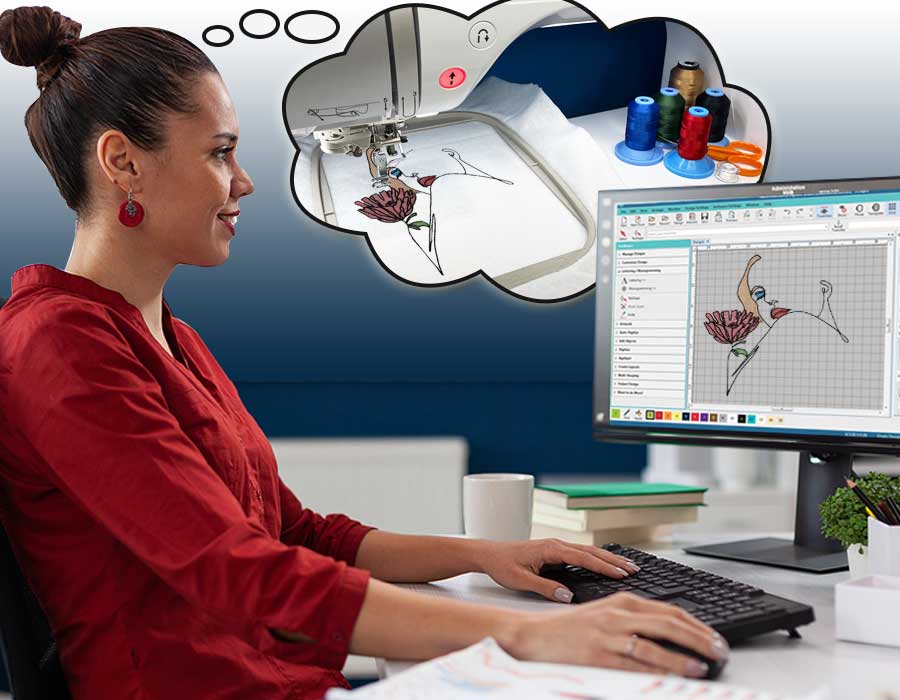
The old-school method was an exercise in patience. You’d need a lightbox, tracing paper, and a deep understanding of stitch types to manually interpret shadows and colors. Today, specialized software acts as the digital bridge between pixel and thread. These programs use complex algorithms to analyze an image, automatically identifying key elements, simplifying details, and mapping areas to specific embroidery stitch types like satin, fill, or run stitches.
This isn’t just a simple filter. Advanced software considers the physical limitations of thread and fabric. It determines stitch direction for optimal coverage, automatically underpins areas to stabilize the fabric, and sequences color changes efficiently. What used to take a skilled artisan days can now be accomplished in a matter of minutes, with a precision that ensures the final stitched product actually resembles the original photo.
The AI Revolution: Smart Stitching
The most significant leap forward comes from Artificial Intelligence (AI) and machine learning. Modern conversion tools are no longer dumb programs applying uniform rules. They’re intelligent systems trained on thousands of stitched designs.
An AI-powered program can look at a photo of a pet and intuitively understand that the fur requires a different stitch texture than the glossy nose or the dark pupils of the eyes. It can simplify a busy background without losing the subject’s essence, recognize faces and preserve their defining features, and even suggest color palettes based on actual thread libraries. This smart automation handles the heavy lifting, allowing the user to focus on creative adjustments rather than technical groundwork.
Accessibility and the Democratization of Design
Perhaps the most profound change is who gets to play. Technology has democratized embroidery design. Powerful software that was once the exclusive domain of professional digitizers is now available as affordable desktop applications, web-based platforms, and even mobile apps.
Online services allow you to upload a photo, choose some settings, and receive a machine-ready file in your email. Hobbyists, small business owners, and crafters can now personalize gifts, create custom apparel, or start an Etsy shop without years of digitizing training. This accessibility has fueled a creative boom, with people turning everything from childhood drawings to vacation snapshots into cherished stitched heirlooms.
Cloud Collaboration and Connected Machines
Technology isn’t just changing the design phase; it’s revolutionizing the entire workflow. Cloud storage means your designs are accessible from your laptop, tablet, or even at your embroidery machine. Designers can share files with clients across the globe in an instant. Furthermore, modern embroidery machines are often Wi-Fi enabled.
You can now design on your computer, send the file to the cloud, and have your machine download and stitch it directly, eliminating the old dance of USB sticks or cables. Some systems even allow for remote monitoring, so you can check on a big project’s progress from your phone.
The Human Touch in a Digital Age
With all this automation, is the artisan becoming obsolete? Far from it. Technology is best viewed as a powerful collaborator. The software provides an excellent first draft, but the human eye and creative intuition remain irreplaceable. A skilled digitizer will tweak the automatic output—adjusting stitch density in critical areas, refining the pull compensation so letters don’t pucker, or reworking a color blend to make it pop.
The technology handles the tedious conversion, freeing the human to be the artist and quality controller. It elevates the craft, allowing creators to take on more complex projects and achieve consistent, professional results.
Looking Ahead: The Future Thread
The trajectory points toward even more integration and intelligence. We might soon see augmented reality (AR) apps that let you visualize a design stitched onto a garment through your phone’s camera before you ever thread a needle. Imagine software that can dynamically adjust a design based on the specific fabric you scan with your phone.
The process to convert image to embroidery design will become even more intuitive, perhaps as simple as having a conversation with an AI assistant about the style and mood you want. 3D embroidery, where stitch depth and layering create stunning textured effects, will become more accessible through advanced software controls.
Conclusion
The journey from a cherished photo to a threaded keepsake has been completely reinvented. Technology has removed the steep technical barriers, infused the process with intelligent assistance, and connected every step from concept to final stitch. It has transformed embroidery from a niche, highly-specialized skill into a widespread, creative outlet. While the hum of the embroidery machine remains a constant sound, the magic now happens in the seamless dance between algorithms and artistry, making it easier than ever to turn our pixels into personal, tangible treasures. The future of embroidery isn’t just automated; it’s personalized, connected, and brimming with creative potential waiting to be stitched.