Introduction
Kerala’s growing electricity demand, rising power tariffs, and increasing environmental awareness have made solar energy a practical and future-ready choice for homeowners. With abundant sunlight throughout the year and supportive government policies, residential solar installations are rapidly transforming how households consume energy. However, successful solar adoption depends on understanding key installation insights before investing. This guide highlights the most important solar installation insights every Kerala homeowner should know, helping them make informed, long-term decisions with trusted providers like Avansa Future Energy.
Are you looking for Solar Installation Services in Kerala? Visit Here
Understanding Kerala’s Solar Potential
Kerala receives ample solar irradiation despite its monsoon-heavy climate. Many homeowners assume frequent rains reduce solar efficiency, but modern solar panels are designed to perform efficiently even in diffused sunlight. The state’s consistent daylight hours ensure steady energy generation across seasons. Understanding this potential helps homeowners confidently invest in solar systems without fearing seasonal losses. With proper system design and placement, solar installations in Kerala can deliver reliable energy output year-round, making them a smart alternative to conventional electricity sources.
Choosing the Right Solar System for Your Home
Selecting the correct solar system is one of the most critical decisions for homeowners. Grid-connected systems are popular in Kerala due to net metering benefits, allowing excess electricity to be sent back to the grid. Off-grid and hybrid systems are ideal for areas with frequent power outages. Homeowners must assess their daily electricity consumption, backup requirements, and future usage plans before selecting a system. Professional consultation from Avansa Future Energy ensures that each home receives a customized solution tailored to its energy needs and budget.
Importance of Roof Assessment and Orientation
Not all rooftops are equally suitable for solar installations. Roof strength, available space, shading, and orientation play a major role in system efficiency. In Kerala, south-facing rooftops with minimal shade deliver optimal performance. A detailed site inspection helps identify potential obstacles such as nearby trees or water tanks that may affect panel output. Reinforcing rooftops when required ensures safety and long-term durability. A thorough assessment helps homeowners maximize energy generation and avoid costly modifications later.
Quality of Solar Panels and Inverters
The performance and lifespan of a solar system largely depend on the quality of its components. High-efficiency solar panels with proven certifications ensure better energy output and durability in Kerala’s humid climate. Similarly, inverters convert solar power into usable electricity and must be reliable to avoid frequent breakdowns. Investing in premium components may involve a higher initial cost, butit significantly reduces maintenance expenses and performance losses over time. Avansa Future Energy prioritizes high-quality equipment to ensure consistent energy production and long-term reliability.
Understanding Government Subsidies and Net Metering
Kerala homeowners can significantly reduce installation costs by leveraging government subsidies and net metering policies. These incentives encourage residential solar adoption by lowering upfront expenses and enabling homeowners to earn credits for surplus energy supplied to the grid. However, subsidy procedures and documentation can be complex. Understanding eligibility criteria and application processes is essential to avoid delays or rejections. Experienced solar providers simplify this process, ensuring homeowners receive maximum financial benefits without administrative stress.
Installation Expertise and Safety Standards
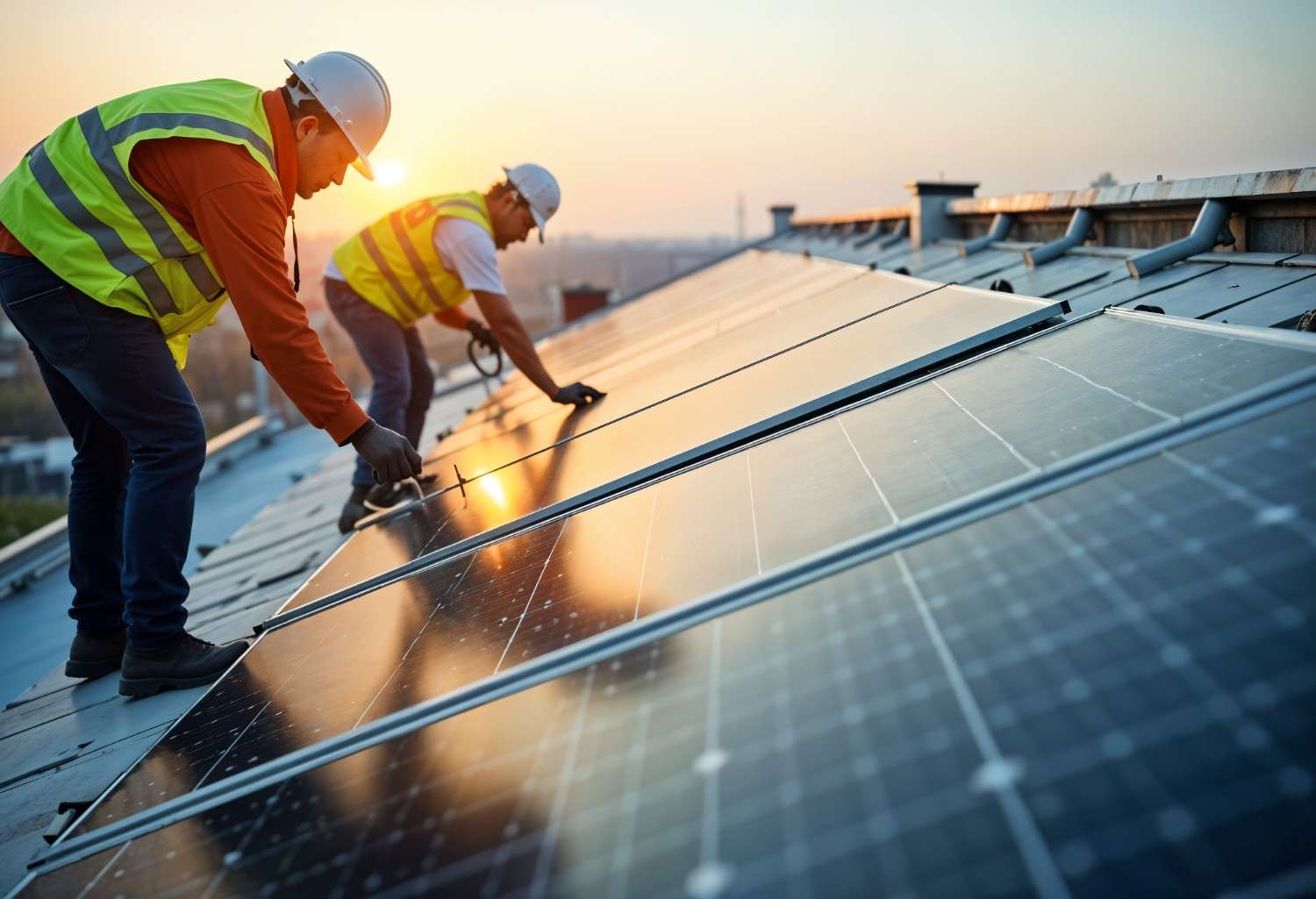
Professional installation plays a crucial role in system performance and safety. Poor wiring, improper mounting, or incorrect inverter configuration can lead to energy losses and safety hazards. Certified installers follow strict safety standards, ensuring panels are securely mounted and electrical connections are compliant with regulations. In Kerala’s high-rainfall environment, waterproofing and corrosion-resistant materials are particularly important. Choosing an experienced installer like Avansa Future Energy guarantees adherence to quality and safety standards throughout the installation process.
Maintenance and Long-Term Performance
One of the key advantages of solar energy is low maintenance, but periodic inspections are essential to sustain performance. Dust, bird droppings, and debris can reduce panel efficiency if not cleaned regularly. Inverters and wiring should be checked to prevent minor issues from escalating into major faults. Homeowners should understand basic maintenance requirements and schedule professional servicing when needed. A well-maintained solar system can operate efficiently for over 25 years, delivering substantial long-term savings.
Cost Analysis and Return on Investment
Solar installations are a long-term investment, and homeowners should evaluate both initial costs and future savings. Although installation requires upfront expenditure, reduced electricity bills and government incentives significantly shorten the payback period. In Kerala, most residential systems recover costs within a few years, after which homeowners enjoy virtually free electricity. Rising grid tariffs further enhance the financial appeal of solar energy. A detailed cost-benefit analysis helps homeowners visualize long-term gains and make confident decisions.
Adapting Solar Systems for Future Needs
Modern households are increasingly adopting electric vehicles, smart appliances, and higher energy consumption patterns. Planning for future expansion during the initial installation helps avoid system limitations later. Modular solar designs allow homeowners to add panels or upgrade inverters as energy needs grow. Choosing scalable solutions ensures flexibility and long-term usability. Forward-thinking solar planning with Avansa Future Energy helps homeowners future-proof their energy systems without unnecessary reinvestments.
Environmental and Social Benefits
Beyond financial savings, solar energy contributes to a cleaner and more sustainable environment. Reduced reliance on fossil fuels lowers carbon emissions and supports Kerala’s renewable energy goals. Solar-powered homes also reduce strain on the state’s electricity infrastructure during peak demand periods. By adopting solar energy, homeowners actively participate in building a resilient and environmentally responsible energy ecosystem that benefits future generations.
Choosing a Trusted Solar Partner
The success of a solar installation depends heavily on the expertise and reliability of the service provider. Homeowners should look for companies with proven experience, transparent pricing, quality components, and strong after-sales support. Avansa Future Energy stands out as a trusted solar installation partner in Kerala, offering end-to-end solutions from consultation and design to installation and maintenance. A dependable partner ensures peace of mind and consistent system performance over the years.
Are you looking for Top Solar Companies in Kerala? Contact Avansa Future Energy
Conclusion
Solar energy is no longer just an alternative power source for Kerala homeowners; it is a strategic investment in financial stability and environmental responsibility. By understanding essential solar installation insights, homeowners can avoid common pitfalls and maximize long-term benefits. From system selection and roof assessment to quality components and future scalability, each factor plays a vital role in overall success. With expert guidance and reliable service from Avansa Future Energy, Kerala homeowners can confidently transition to solar power and enjoy sustainable energy for decades to come.