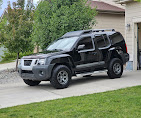
Why Luxury Vehicles Require a Different Detailing Mindset
Luxury cars use premium materials—soft leather, open-pore wood, brushed aluminum, piano black trim, and complex paint systems. These surfaces look incredible, but they’re often less forgiving.
For example, many high-end interiors use low-gloss finishes designed to reduce glare. Aggressive cleaners or shiny dressings can permanently alter their appearance. On the exterior, softer clear coats found on some luxury brands are more prone to micro-scratching if washed improperly.
Detailing at this level is less about force and more about restraint.
A Common Mistake Even Careful Owners Make
Here’s a personal observation I see frequently: luxury car owners often over-clean.
Out of good intentions, they’ll wipe down interior surfaces daily or wash the exterior too often with improper tools. Over time, that repeated friction causes wear—especially on touchpoints like steering wheels, door pulls, and center consoles.
Luxury materials age best when they’re cleaned correctly and only as aggressively as necessary.
Paintwork: Protecting Depth, Not Just Shine
Luxury vehicle paint is often where the biggest visual difference lies. Multi-stage paint systems and deep clear coats create depth that cheap products can’t replicate.
Proper detailing focuses on:
-
Safe washing techniques to minimize micro-marring
-
Gentle decontamination to remove bonded contaminants
-
Minimal polishing to preserve clear coat thickness
One mistake I often see is unnecessary polishing. Paint correction is a powerful tool, but every pass removes material. On a luxury vehicle, polishing should be intentional, not routine.
Many professionals recommend long-term protection strategies—such as those outlined in this guide on ceramic coating mansfield—to reduce the need for frequent correction while maintaining visual clarity.
Insider Tip: Lighting Reveals What Sunlight Hides
An insider detail most people overlook is inspection lighting.
Luxury paint often looks flawless in the shade but tells a different story under controlled lighting. Swirl marks, buffer trails, and uneven finishes become visible only when viewed correctly.
Experienced detailers rely on:
-
Color-corrected LED lighting
-
Multiple inspection angles
-
Controlled indoor environments
This approach prevents unnecessary work and ensures corrections are precise rather than excessive.
Interior Detailing: Where Luxury Really Shows Its Age
Interiors are where luxury vehicles quietly reveal neglect. Soft leather, Alcantara, suede headliners, and stitched surfaces all require specific care.
Luxury interior detailing focuses on:
-
pH-balanced cleaners for leather
-
Minimal moisture to avoid swelling or staining
-
Conditioning that restores flexibility, not shine
I’ve seen premium leather damaged by household cleaners more often than by neglect. The wrong product can strip natural oils and accelerate cracking, especially in high-heat climates.
Insider Tip: Touchpoints Deserve Special Attention
Another insider tip: not all interior areas age equally.
High-contact surfaces—steering wheels, seat bolsters, armrests—need more frequent but gentler care. These areas absorb oils from skin and friction from use.
Treating them separately rather than cleaning the entire interior aggressively helps maintain texture and color consistency over time.
Wheels and Brakes: Function Meets Aesthetics
Luxury vehicles often feature large wheels and high-performance braking systems. While visually striking, they generate significant brake dust and heat.
Proper wheel detailing emphasizes:
-
Heat-resistant protection
-
Gentle cleaning methods
-
Full barrel coverage, not just the wheel face
Aggressive wheel cleaners may offer quick results, but repeated use can dull finishes and damage clear coats. Protective coatings reduce buildup and allow safer maintenance practices.
Exterior Trim and Specialty Finishes
Luxury vehicles frequently include matte trim, satin accents, carbon fiber, and chrome. Each requires a different approach.
For example:
-
Matte finishes should never be polished
-
Carbon fiber benefits from UV protection
-
Chrome needs corrosion prevention without abrasion
Using a one-size-fits-all product across these surfaces is a recipe for damage. Knowledge of material behavior matters more than brand names.
How Often Should Luxury Vehicles Be Detailed?
Frequency depends less on mileage and more on usage and environment.
A garage-kept luxury sedan driven occasionally may need full detailing less often than a daily-driven premium SUV exposed to sun, traffic, and weather.
As a general framework:
-
Exterior detailing every 4–6 months
-
Interior detailing every 3–6 months
-
Light maintenance washes in between
The goal is preservation, not constant correction.
Maintenance Between Details Makes the Biggest Difference
Luxury vehicles that receive gentle, consistent maintenance always age better.
Simple habits help:
-
Using clean microfiber towels only once per surface
-
Avoiding automatic car washes
-
Wiping spills immediately
These small actions reduce the need for heavy detailing later and protect delicate finishes.
When Protection Changes the Equation
Vehicles with long-term protection—such as ceramic coatings—often require fewer aggressive interventions. Contaminants don’t bond as easily, and cleaning becomes more controlled.
That doesn’t eliminate the need for detailing, but it shifts the focus toward maintenance rather than restoration. Over time, this approach preserves original materials and finishes far better than repeated corrective work.
Final Thoughts: Luxury Detailing Is About Respect
Detailing a luxury vehicle isn’t about chasing perfection or achieving maximum gloss. It’s about respecting the materials, craftsmanship, and engineering that went into building the car.
The best results come from a measured approach—using the right tools, the right products, and just enough intervention to protect without overworking surfaces.
Also read for more information so click here.